

The Blue Ridge Mountain Adventure Race

When one attempts to measure a mountain it is important to remember that the height of the mountain is based on elevation above sea level. So those grand rocky mountains that you assume are the tallest on the North American continent may not be that much higher and more steep than many of the peaks in the blue ridge. Every year the blue ridge mountains of Georgia are host to a fun and fantastic adventure race. This race involves paddling the wild Chattahoochee River, running up the forested trails of those same blue ridge mountains, and mountain biking through them as well.

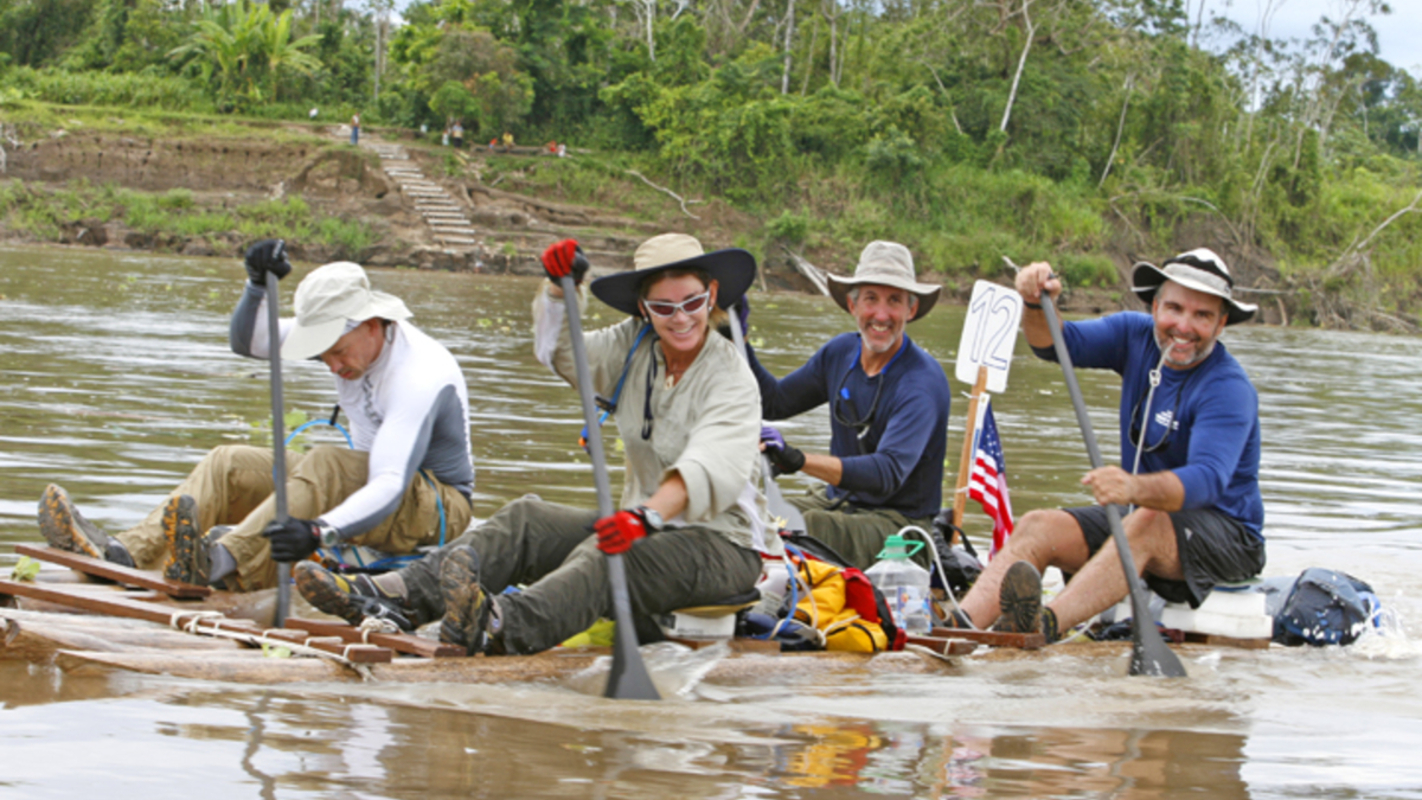
Although no one could easily compare such a running swimming biking race to a conventional triathlon, the comparison usually falls short because it does not take into account the planned difficulty built into an adventure race. Plus the traditional triathlon involves swimming as opposed to paddling. One might think that paddling a canoe or kayak is a far simpler task than swimming across a calm body of water such as a lake or bay. Wild and scenic rivers such as the Chattahoochee are filled with stretches of rapids where the water rips around rocks any one of which represents life and death danger.

The blue ridge as an adventure race while certainly not a death defying event does represent tremendous physical challenges. Plus every year the organizers of the event which has been held since 1998 field into each of the different stages many little surprises, such as the need to repel down a cliff or cross a raging river. There are also mystery surprises.

Contestants must compete in three person teams and every competitor must be a member of the U.S. Adventure Racing Association. The yearly race is held in early April and temperatures at the start of the race can be as low as 32°. The course length is approximately 35 miles. Cost per team to enter is $300.

The incomparable Patagonian Expedition adventure race

If there’s one adventure race that could be considered to be the toughest on the planet earth it has to be the Patagonian Expedition. It is a region located in both Argentina and Chile. It includes the southernmost section of the Andes mountains as well as the Tierra Del Fuego archipelago. Basically Patagonia is a rough stretch of terrain as far south as one can travel without being in Antarctica. And while it is an absolutely stunningly beautiful location, it remains a raw wilderness.


The Patagonian Expedition is a 200 kilometer race beginning at Tierra Del Fuego and ending up at cape horn, the southernmost point of the Americas. Hardly an adventure race for amateurs, only 20 teams will be selected from over 1000 applicants to embark upon this year’s challenge.

In a more docile adventure race contestants paddle kayaks and canoes, ride mountain bikes and climb mountains. These disciplines all take place in a set course where safety has been predefined. The Patagonian Expedition bares no resemblance to this type of adventure race. When one climbs a mountain or repels down a cliff in the Andes they are always at life and death risk.

The disciplines required for the Patagonian Expedition include, basic trekking, navigation, mountain biking, fixed ropes, ascent and repelling, and course strategy. Much of the race takes place on glaciers. So while the terrain we see in pictures while comfortably seated in our homes 3000 miles to the north looks no more challenging than a hike through the blue ridge mountains, the reality is that every hill is a little more steep every trail is a little more rocky and the sea which must be traveled in kayaks is more twisting and churning than any wild river on the earth.

Every year the Patagonian Expedition is held to call attention to this unique terrain that is in danger of deforestation and encroachment from commercial interests. Southern Patagonia is still a somewhat pristine region but, without world cooperation, it will not remain so. The race takes contestants over mountains through fiords, onto glaciers, through pristine primeval forests and across bodies of the Pacific and Atlantic Ocean’s meeting points onto Darwinian islands. Few places on the planet display the range of terrain and beauty as does Patagonia. Every year the world’s most dynamic adventure race allows all of us a view of it.

Local adventure racing in the Central Florida area

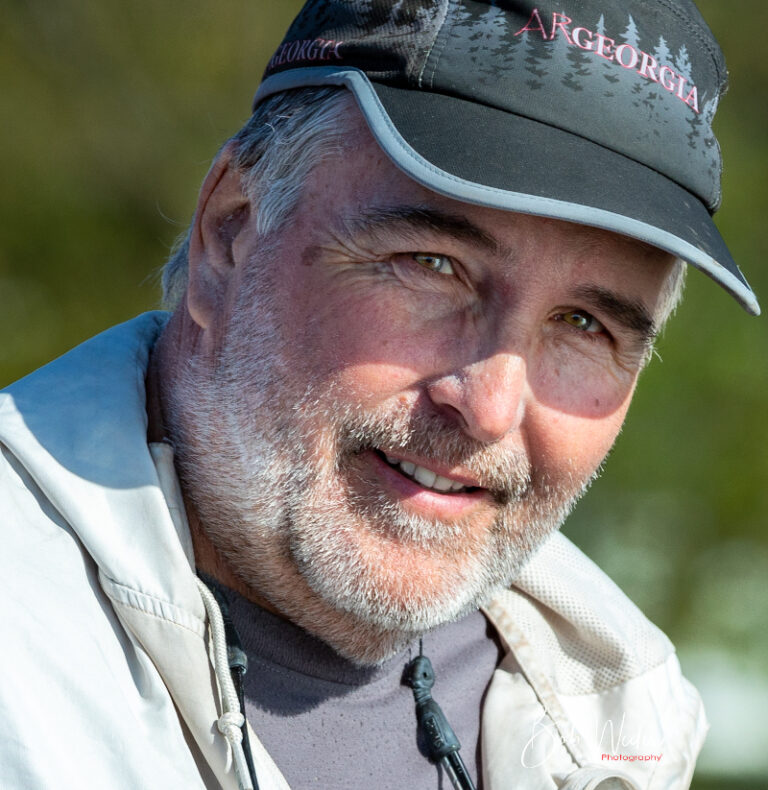
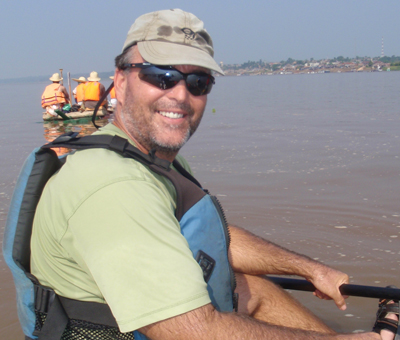
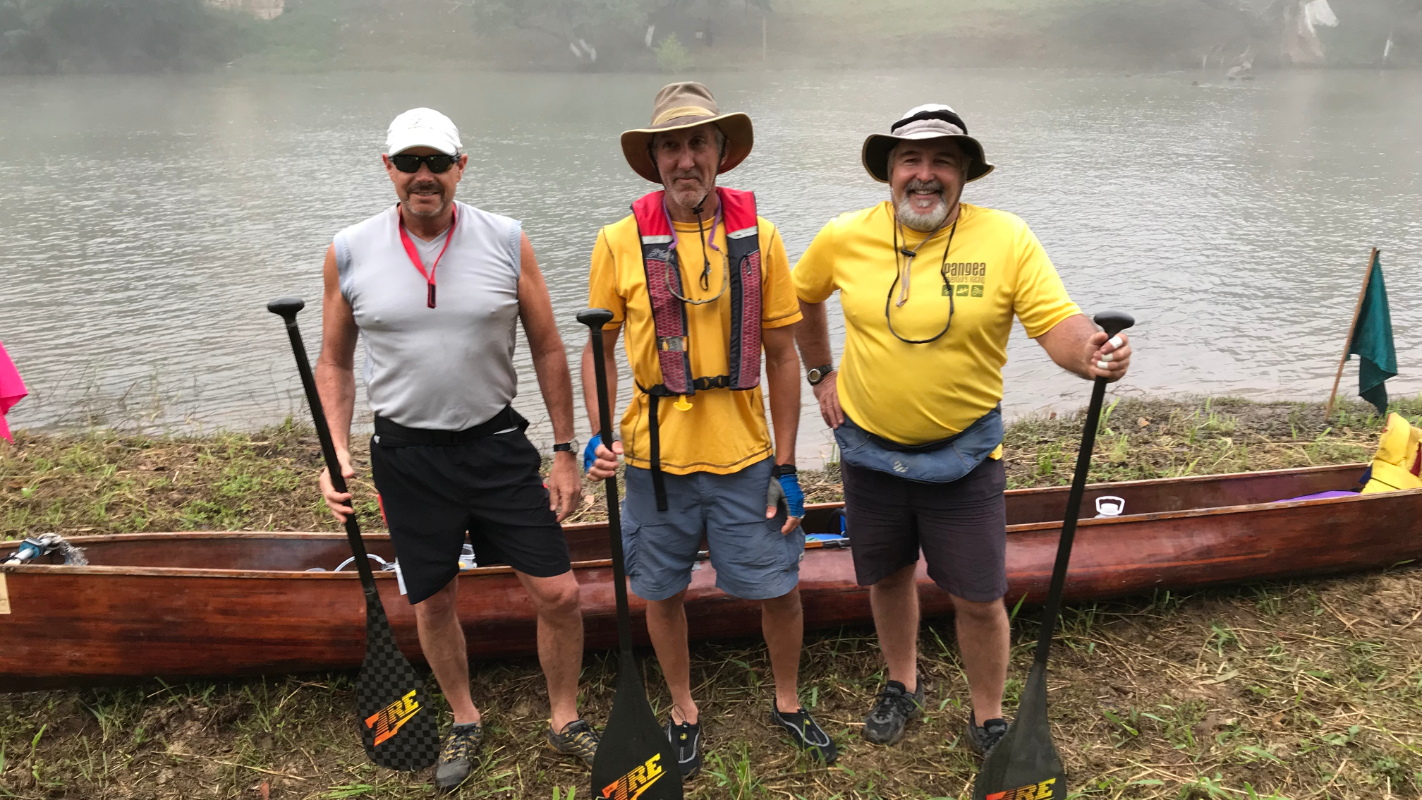
One doesn’t have to travel to Patagonia in order to participate in fun and exciting adventure racing. Almost every populated area in the United States within range of woods and wilderness has an association or group involved with local adventure races. For example in Central Florida adventure races are coordinated by Pangea Adventure Races. Rod Price participates in a local Adventure race group that meets every week or so just like a bowling league team. Of course bowlers don’t find themselves racing on foot or by canoe across the wilds of Florida.


For those who may not know it, Florida is still filled with a majority of tough terrain. Adventure racers in Central Florida routinely deal with swamps, knee deep loose sand, and the prerequisite 30 miles of river to paddle. The Pangea Adventure Races all feature checkpoints and surprises meant to ensnare competitors.

Adventure racing centers on paddling, biking and hiking. It sounds simple enough but the courses change every trip and navigation plays as important a role in local adventure races as it does in global expeditions. An upcoming race from Pangea journeys from the Atlantic coast of Florida to the Gulf. The race will be a minimum of 90 miles and teams will get to see firsthand how much low lying marsh borders the Florida coastline.

All in all races such as those staged by Pangea keep weekend athletes in top shape for even larger events. Many Canoe and kayak racers participate for the competitive challenge between larger pure paddling events.

Other popular adventure racing events

Adventure racing seems to run the gamut from fairly tame Sunday afternoon sprint races where the main objective is to have fun and meet for beer later to knock down drag out battles to the finish where large amounts of prize money can be made.

A case in point for the latter is the Semi Yearly Primal Quest held in the Nevada badlands. The race covers six hundred miles in ten days and includes 100,000 feet of vertical climb. That would be the equivalent of scaling Mount Everest four times. Plus they don’t call it the “Badlands” for nothing.

In the typical adventure race format teams paddle, bike and run like crazy. This type of race is called an Expedition Level race. This is another way of saying really tough.
The race is also a marvelous opportunity for competitors to see firsthand the old American west as they pass through the town of Deadwood, abandoned goldmines and the Crazy Horse monument. While not on the scale of the Patagonia Expedition The Nevada Primal Quest still remains quite a challenge.


On the lighter end of the adventure racing scale are races such as the Greenhorn adventure race in Maryland’s rocky Gap State Park. This race covers 12 to 16 miles with paddling, biking and hiking included. There are 15 checkpoints on well marked trails. Unlike expeditions where there is degree of navigating confusion planned and built into the race. The race lasts an afternoon and is specifically created for those with no previous adventure racing a experience. Every year the race sells out quickly.


There are adventure races held during every season of the year with Winter events being a little extra challenge. There are events at every level in every state of the US and every country on earth. Most race locations are chosen so as to bring attention to environmental concerns and to showoff an area’s natural beauty.

Local Canoe racer prepares to circumnavigate the state

What exactly is the Ultimate Florida Challenge?

For most of us it would be simply making it from June to October without dropping in the sun and heat. And for others the Ultimate Florida Challenge probably involves 40 or fifty hot dogs and a commensurate volume of beer. For Rod Price the Ultimate Florida Challenge will be a 20 day canoe race around and through the Florida Peninsula.

The Race Around Florida, as it is subtitled, is being held in early March 2012, will be 1200 miles long requiring competitors to paddle through the day and into the night.

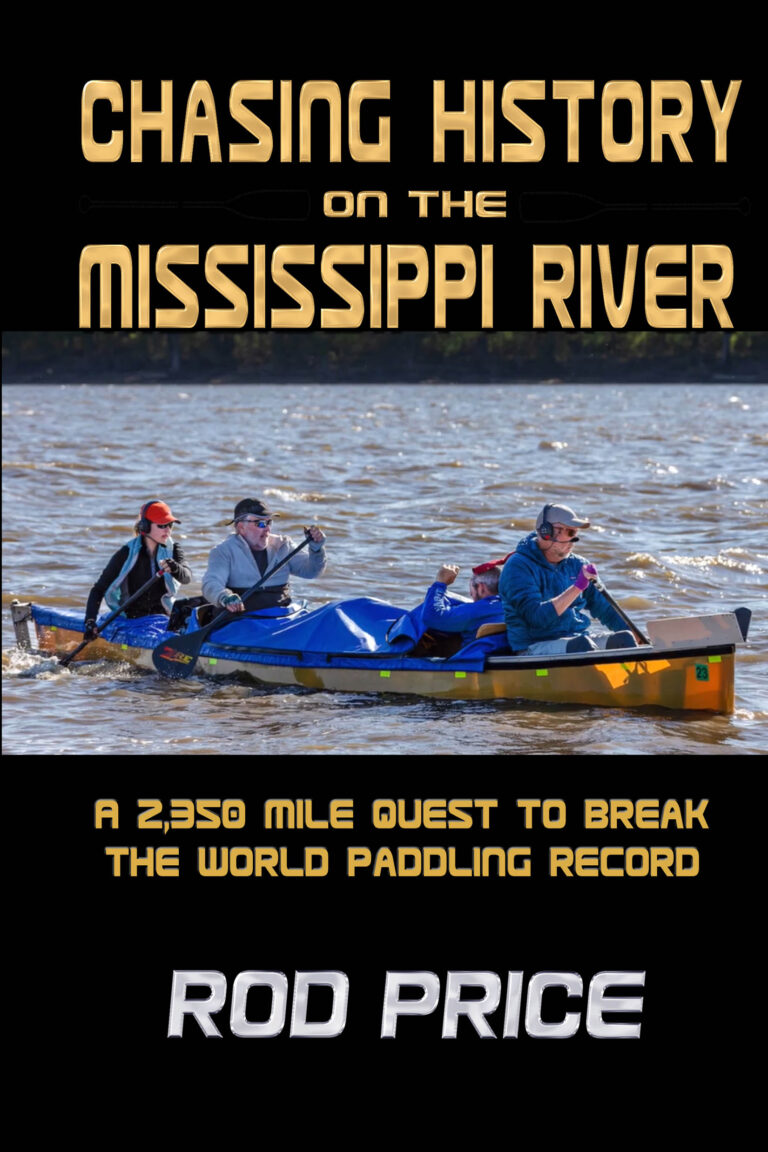
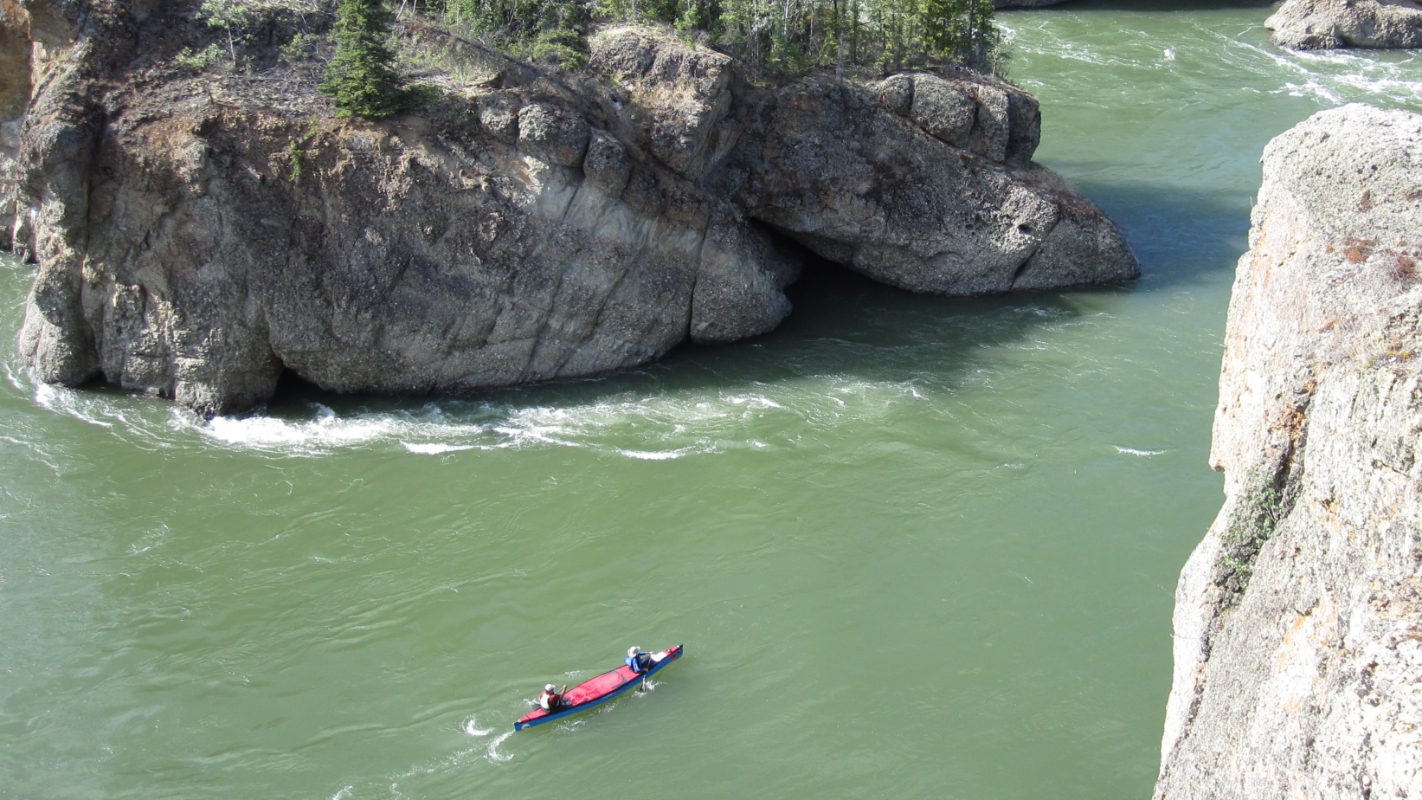
Rod Price has been racing canoes for over thirty years and considers this race the toughest he has ever faced. Considering that Rod raced in and won the Yukon 1000, the world, longest continuous canoe race, his belief that this Florida race is the toughest yet is truly a powerful statement.

But knowing the terrain he will travel it is easy to see the basis for Rod’s belief. The race starts in Tampa Bay and travels down the west coast along the Gulf of Mexico. After a simple 100 mile cut across the everglades, Rod will pass Key Largo and begin a trek North. Most of this portion of the race will be in the intracoastal waterway, but there are sections that are right out in the Atlantic. Remember, this is a CANOE race.

Eventually Rod will pass Jacksonville and reach the Saint Marys river. This will carry Rod inland for another 120 miles until he runs out of river and must carry his canoe, tote his boat, for forty miles across some pretty tough panhandle terrain. After this Rod shoves his canoe into the head waters of the Suwannee river just over inside Georgia. He will then paddle 200 miles down to its mouth just above Cedar Key. A quick 90 mile sprint and Rod is back where he started Fort Desoto Park.

1200 miles, 20 days and nights with the nights spent sleeping on the ground or in the canoe, will be a arduous task for everyone that enters. For Rod who will be 52 years old when the race starts. It will be a tremendous test of his training and desire to win.

Rod will be racing for the benefit of Give Kids the World and could use both corporate and private sponsors. Every mile Rod paddles means more funds for this well known most worthwhile charity.

Information for this News Release taken from the article originally published in Orlando Magazine

Come on Down, The Price is Right

You don’t have to be Bob Barker to come on down and enjoy the Naples Bay Great Dock Canoe Race. The yearly event held to benefit the local charity “Lighthouse of Collier,” features great food and fun along with a chance to see some of the nation’s top canoe racers.

Among these will be Rod Price. Rod has won almost every major canoe race held on the North American continent including this Naples three mile jaunt. We say jaunt because for Rod Price a three mile canoe race is the equivalent of you or I walking out to check the mail box. Rod has recently entered and won the Yukon 1000, the world’s longest canoe race.
Prior to that victory, Rod won the Everglades challenge. (A fun little trip through the sea of grass), and yearly events such as the Adirondack 90 miler and the Suwannee River Challenge.

Rod races them all big and small. On the small side is the Naples Bay Great Dock Race. Held annually for local participants it hardly seems fair for Rod to enter, he has won the event 5 times. Look for Rod to simply lay back and let a local paddler take first place. Rod will also be on hand to sign a few autographed copies of his book, “Racing to the Yukon.”

5000 thousand spectators will be on hand to see world class canoe and kayak racers and Rod wrestle with the usually crowded race start and sprint like mad for the finish.

Information taken from this article originally published by Naples Daily News, May 6 2010